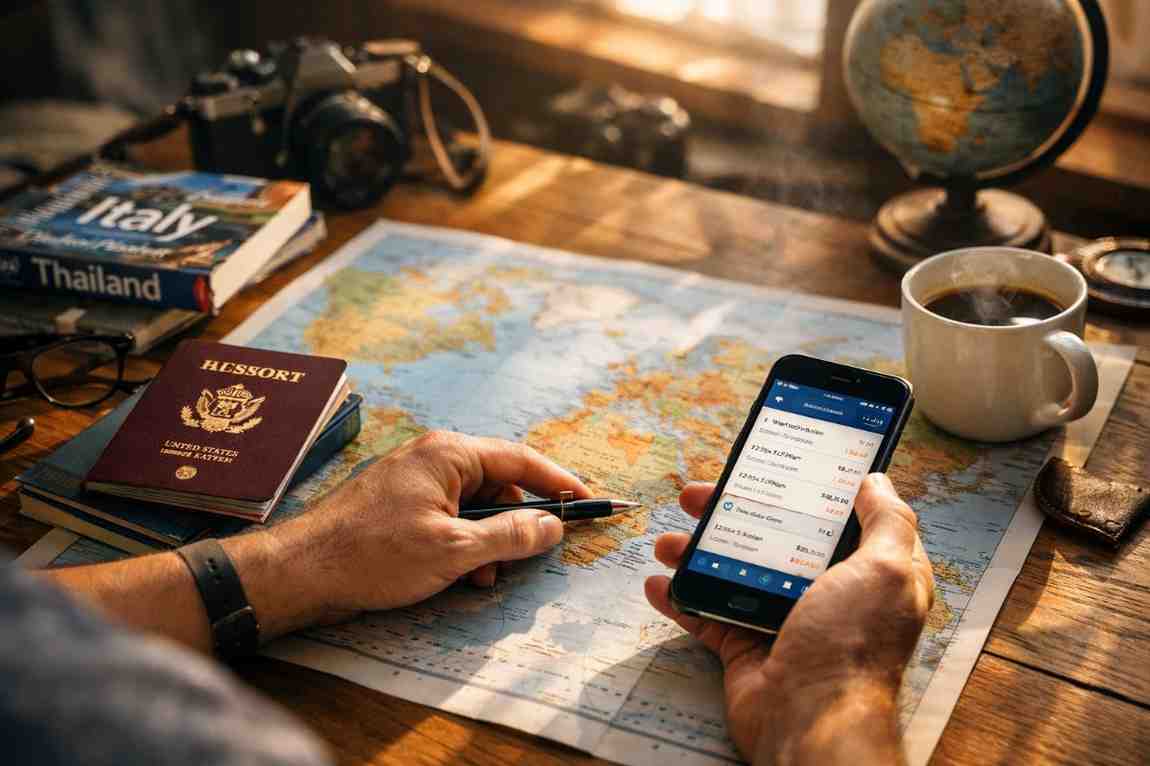
Travel is one of the most enriching experiences a person can have. It allows you to explore new cultures, taste unique cuisines, witness breathtaking landscapes, and create lifelong memories. But to truly make the most of a trip, strategic planning, smart choices, and local knowledge are essential. From solo adventures to family vacations, effective travel planning can transform a journey from stressful to seamless.
In this blog, we’ll explore practical tips, strategies, and advice for planning your next adventure, ensuring that your travels are smooth, safe, and unforgettable.
1. Setting Travel Goals and Budget
Before booking flights or accommodations, ask yourself:
- Purpose: Is it leisure, adventure, cultural exploration, or relaxation?
- Duration: Are you planning a weekend getaway, a week-long trip, or a multi-month journey?
- Budget: Determine your spending limits for transportation, lodging, meals, and activities.
Tip: Allocate about 30–40% of your budget to experiences and activities, rather than just transportation or accommodation. Memorable experiences often matter more than fancy hotels.
2. Researching Destinations
- Check seasonality—some locations have peak tourist seasons or extreme weather.
- Identify cultural highlights—festivals, local cuisine, landmarks, and traditions.
- Learn local regulations and customs to avoid cultural faux pas.
Tip: Travel blogs, official tourism websites, and social media can provide authentic insights, while local forums can reveal hidden gems off the beaten path.
3. Booking Transportation
- Flights: Use fare comparison websites, book in advance, and consider flexible dates.
- Public Transit: Research local buses, subways, and trams—many cities offer discounted travel cards.
- Local Travel: Car rentals, scooters, or bicycles can enhance mobility, especially in rural or scenic areas.
Tip: If possible, combine multiple transport modes to save costs and experience local culture (e.g., train + ferry).
4. Choosing Accommodations
- Hotels: Offer comfort, amenities, and professional services.
- Hostels: Budget-friendly and great for meeting fellow travelers.
- Vacation Rentals: Perfect for families or long stays with self-catering options.
- Unique Stays: Treehouses, homestays, or boutique lodges provide memorable local experiences.
Tip: Look for location, reviews, and cancellation policies. Staying near attractions can save commuting time, even if slightly more expensive.
5. Planning Itineraries & Activities
- Prioritize top sights, but leave room for spontaneous discoveries.
- Use local guides or apps for walking tours, food trails, and hidden gems.
- Schedule early mornings or weekdays for popular sites to avoid crowds.
Tip: Include immersive experiences like cooking classes, cultural workshops, or guided nature hikes to connect with local culture beyond sightseeing.
6. Packing Smart
- Pack versatile clothing for different climates.
- Use packing cubes to organize luggage.
- Carry essentials: travel documents, medication, electronics, power adapters, and a portable charger.
- Always have a small daypack for daily excursions.
Tip: Travel light whenever possible—extra baggage can become a burden during transit and activities.
7. Safety and Health
- Check travel advisories and local safety guidelines.
- Get recommended vaccinations or preventive medications.
- Carry travel insurance covering health emergencies, accidents, and lost belongings.
- Keep digital and physical copies of important documents.
Tip: Register with your country’s embassy if traveling abroad for added security.
8. Budgeting and Money Management
- Carry a mix of local currency and international cards.
- Use contactless payments and apps where possible.
- Track expenses to avoid overspending.
Tip: Notify your bank of international travel to avoid blocked cards, and research ATM availability and fees in advance.
9. Leveraging Technology
- Travel apps: Booking flights, accommodations, and activities.
- Navigation apps: Maps, public transit info, and GPS tracking.
- Language apps: Quick translation and phrase guidance.
- Itinerary management apps: Organize schedules, reservations, and travel documents digitally.
Tip: Offline versions of maps and translations are essential in areas with poor connectivity.
10. Immersing in Local Culture
- Try local foods and beverages for authentic flavor experiences.
- Respect local traditions, dress codes, and etiquette.
- Engage with locals, who often share hidden spots and stories.
- Document memories through photography or journaling, but remain respectful.
Tip: Approach travel with curiosity and openness—it’s the best way to make it meaningful.
11. Sustainable Travel
- Avoid single-use plastics and support eco-friendly accommodations.
- Choose local guides and businesses to support the local economy.
- Respect wildlife and natural habitats.
Tip: Sustainable travel is not just ethical—it often enhances your experience by connecting you more closely with local culture and nature.
Conclusion
Travel planning is the key to transforming a trip from ordinary to extraordinary. Thoughtful preparation, smart budgeting, cultural awareness, and safety measures ensure that every journey is smooth, memorable, and immersive.
Whether you’re exploring bustling cities, serene landscapes, or remote villages, travel is a journey of discovery, connection, and growth. With proper planning and a sense of adventure, your next trip can become a truly unforgettable experience.